Unlocking the Secrets of Mood Stones: A Guide to Understanding Their Power
Introduction
Mood stones have captivated human imagination for centuries, serving as both decorative accessories and tools for self-discovery. These fascinating gemstones, often called mood rings when set in jewelry, have become increasingly popular in recent years as people seek alternative methods to understand their emotional states and spiritual well-being. Whether you're a seasoned collector, a curious newcomer, or someone interested in the intersection of science and spirituality, this comprehensive guide will help you unlock the secrets of mood stones and understand their remarkable power.
The concept of mood stones is rooted in the idea that our emotional states can be reflected in physical changes within our bodies, including temperature fluctuations. Mood stones are designed to respond to these subtle changes, creating a visual representation of our inner emotional landscape. This guide will explore the history, science, types, and practical applications of mood stones, providing you with a thorough understanding of how these intriguing gemstones work and why they continue to fascinate people worldwide.
The History and Origins of Mood Stones
The story of mood stones begins in the 1970s, a decade known for its exploration of alternative spirituality and unconventional wellness practices. While the concept of using stones for emotional and spiritual purposes dates back thousands of years in various cultures, the modern mood stone as we know it today was invented during this transformative era.
The first mood rings were created in the 1970s and quickly became a cultural phenomenon. These rings featured a stone that would change color based on the wearer's body temperature, which was believed to correlate with emotional states. The original mood rings were marketed as a way to gain insight into one's emotional condition at any given moment, and they became a must-have accessory for teenagers and young adults throughout the decade.
The popularity of mood rings waned somewhat in the 1980s and 1990s, but they experienced a resurgence in the 2000s as interest in alternative spirituality and holistic wellness grew. Today, mood stones are available in various forms, from traditional rings to necklaces, bracelets, and standalone stones. They've become popular gifts, collectibles, and tools for meditation and self-reflection.
The evolution of mood stones reflects broader cultural shifts in how we approach wellness and self-understanding. As conventional medicine and psychology have become more established, many people have simultaneously sought complementary approaches that honor the mind-body connection and acknowledge the role of emotions in overall health and well-being.
Understanding the Science Behind Mood Stones
To truly unlock the secrets of mood stones, it's essential to understand the science behind how they work. Mood stones typically contain thermochromic materials, substances that change color in response to temperature variations. The most common thermochromic material used in mood stones is a liquid crystal compound.
Liquid crystals are unique substances that exist in a state between solid and liquid. They possess properties of both states, and their molecular structure allows them to respond dramatically to temperature changes. When the temperature increases, the liquid crystal molecules align differently, causing the stone to reflect different wavelengths of light and thus appear to change color.
The connection between body temperature and emotional state is the foundation upon which mood stones operate. When we experience different emotions, our bodies undergo physiological changes. Stress, anxiety, and excitement can cause our body temperature to rise slightly, while relaxation and calm can lower it. These temperature fluctuations, though often subtle, are significant enough to trigger the color-changing properties of mood stones.
However, it's important to note that the relationship between body temperature and specific emotions is not as straightforward as mood stone marketing might suggest. While temperature changes do occur with emotional shifts, the same temperature change could correspond to different emotions in different individuals or even in the same person at different times. Additionally, external factors such as ambient temperature, physical activity, and health conditions can influence body temperature independently of emotional state.
From a scientific perspective, mood stones should be understood as indicators of body temperature rather than direct measures of specific emotions. They provide a visual representation of thermal changes, which may correlate with emotional states but are not a definitive measure of them. This distinction is crucial for anyone seeking to use mood stones as tools for self-understanding.
Despite the limitations of the scientific explanation, many people find mood stones valuable for their intended purpose. They serve as tangible reminders to check in with ourselves emotionally and can prompt reflection on our inner states. In this sense, their value lies not necessarily in their scientific accuracy but in their ability to facilitate self-awareness and mindfulness.
Types of Mood Stones and Their Color Meanings
Mood stones come in various forms, each with its own characteristics and appeal. Understanding the different types available can help you choose the one that best suits your needs and preferences.
Traditional Mood Rings
Mood rings are perhaps the most iconic form of mood stones. These rings feature a thermochromic stone set in a band, typically made of silver, gold, or other metals. The stone is usually a smooth, polished cabochon that sits prominently on the ring. Mood rings are designed to be worn regularly, allowing the wearer to check their emotional state throughout the day.
Mood Necklaces and Pendants
Mood necklaces feature mood stones suspended from chains or cords, making them an alternative to rings for those who prefer pendant-style jewelry. These can be particularly appealing for people who work with their hands or prefer not to wear rings. Mood pendants often feature larger stones, making the color changes more visible and dramatic.
Mood Bracelets
Mood bracelets typically feature multiple mood stones set into a bracelet band. Some bracelets have a single prominent mood stone, while others incorporate several smaller stones. Bracelets offer a unique advantage in that they can be easily removed and examined, making them convenient for checking your mood throughout the day.
Standalone Mood Stones
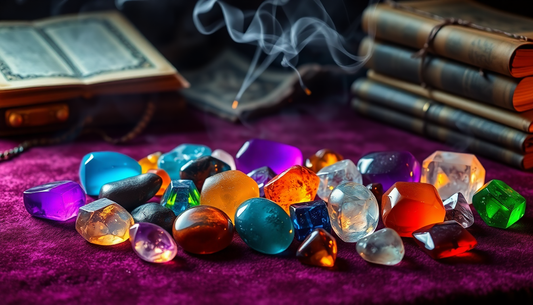
For those not interested in jewelry, standalone mood stones are available as decorative objects or meditation tools. These stones can be held in your hand, placed on a desk, or incorporated into a collection. Standalone stones often come in various shapes and sizes, from polished tumbles to raw crystals.
Color Meanings in Mood Stones
The color changes in mood stones are typically associated with specific emotional states, though it's important to remember that these associations are interpretive rather than scientifically definitive. Here are the commonly recognized color meanings:
Black or Dark Brown: These colors typically indicate stress, tension, or negative emotions. They suggest that the wearer may be experiencing anxiety, anger, or sadness.
Brown: Brown tones often represent a state of confusion or uncertainty. They may indicate that the wearer is feeling unsettled or indecisive.
Amber or Orange: These warm colors are associated with nervousness or excitement. They can indicate a state of heightened alertness or anticipation.
Yellow or Green: These colors typically represent a calm, relaxed state. They suggest that the wearer is feeling peaceful and content.
Blue: Blue is often associated with happiness and relaxation. It indicates a positive emotional state and a sense of well-being.
Purple or Violet: These colors represent passion, creativity, and spiritual awareness. They suggest that the wearer is in a state of heightened intuition or emotional depth.
Pink or Red: These colors indicate love, passion, and strong emotions. They suggest that the wearer is experiencing intense feelings, whether positive or challenging.
It's important to approach these color meanings as general guidelines rather than absolute truths. Individual interpretations may vary, and the same color might mean different things to different people based on their personal associations and experiences.
How to Use Mood Stones for Self-Discovery
Mood stones can be powerful tools for self-discovery and emotional awareness when used intentionally. Here are several ways to incorporate mood stones into your daily life and spiritual practice.
Daily Mood Tracking
One of the most straightforward ways to use mood stones is for daily mood tracking. By checking your mood stone at regular intervals throughout the day, you can begin to notice patterns in your emotional states. You might discover that certain times of day, activities, or situations consistently produce particular emotional responses. This awareness can be the first step toward making positive changes in your life.
Keep a journal alongside your mood stone practice. Record the color of your stone at different times of the day, along with notes about what you were doing, who you were with, and how you were feeling. Over time, patterns will emerge that can provide valuable insights into your emotional landscape.
Meditation and Mindfulness
Mood stones can be incorporated into meditation and mindfulness practices. Hold your mood stone in your hand or place it on your heart chakra during meditation. Use the stone as a focal point for your attention, observing any color changes that occur as you move deeper into a meditative state. This practice can deepen your connection to your emotional body and enhance your self-awareness.
Chakra Balancing
In holistic wellness practices, mood stones are sometimes used in conjunction with chakra balancing. Different colors are associated with different chakras, and practitioners may use mood stones to identify which chakras might need attention or healing. For example, if your mood stone consistently shows blue tones, this might suggest that your throat chakra is balanced and open.
Emotional Release Work
Mood stones can be used as tools for emotional release and processing. When you notice your mood stone displaying darker colors, take this as an invitation to explore what emotions might be present. Rather than trying to change the color, sit with the emotion, acknowledge it, and allow yourself to feel it fully. This acceptance-based approach can be more effective than resistance in processing difficult emotions.
Relationship Insights
Some people use mood stones to gain insights into their relationships and social interactions. By observing how your mood stone changes when you're around different people or in different social situations, you can identify which relationships and environments support your well-being and which ones might be draining or challenging.
The Spiritual Significance of Mood Stones
Beyond their practical applications, mood stones hold spiritual significance for many people. They represent the connection between our inner emotional world and the outer physical world, serving as a bridge between the seen and unseen aspects of our being.
Connection to Energy and Vibration
In spiritual traditions, mood stones are understood as tools that respond to our energetic vibration. Every emotion carries a specific frequency or vibration, and mood stones are believed to be sensitive to these subtle energetic shifts. When our vibration is high and positive, the stone may display warm, bright colors. When our vibration is lower or more challenging, the stone may show darker tones.
This understanding aligns with the broader spiritual concept that everything in the universe is made of energy and vibration. By using mood stones, we're engaging with this fundamental principle and becoming more conscious of our own energetic state.
Symbolism and Metaphor
Mood stones serve as powerful metaphors for the human experience. They remind us that our emotional states are not fixed but constantly shifting and changing, much like the colors of the stone. This can be deeply comforting during difficult times, as it reinforces the understanding that challenging emotions are temporary and will eventually shift.
The stones also symbolize the importance of self-awareness and introspection. In a world that often encourages us to ignore or suppress our emotions, mood stones invite us to pause, check in with ourselves, and honor what we're feeling.
Spiritual Tools for Transformation
Many spiritual practitioners use mood stones as tools for personal transformation and growth. By regularly observing and reflecting on the messages the stones convey, we can identify patterns and habits that no longer serve us. This awareness creates the opportunity for change and evolution.
Mood stones can also be used in spiritual rituals and ceremonies. They might be incorporated into altar spaces, used during energy healing sessions, or given as meaningful gifts to mark important life transitions.
Choosing and Caring for Your Mood Stone
Selecting the right mood stone and caring for it properly can enhance your experience and ensure that your stone remains effective and beautiful for years to come.
Selecting Your Mood Stone
When choosing a mood stone, consider several factors. First, think about the form that appeals to you most. Do you prefer the convenience of a ring, the visibility of a pendant, or the portability of a standalone stone? Your lifestyle and personal preferences should guide this decision.
Next, consider the quality of the stone. Look for stones that display a clear, distinct color change. The color should transition smoothly across the spectrum as temperature changes. Avoid stones that appear dull or show inconsistent color changes, as these may indicate lower-quality thermochromic materials.
Pay attention to the setting if you're choosing jewelry. Ensure that the stone is securely set and that the metal is of good quality. If you're sensitive to certain metals, choose a setting that works with your body chemistry.
Finally, trust your intuition. Many people report feeling drawn to particular stones or pieces. If a mood stone calls to you, it may be the right choice for you, regardless of other factors.
Cleansing Your Mood Stone
Like other crystals and stones, mood stones benefit from regular cleansing to remove accumulated energy. However, because mood stones contain thermochromic materials, certain cleansing methods should be avoided.
Avoid using water to cleanse mood stones, as moisture can damage the thermochromic coating. Instead, use dry cleansing methods such as smudging with sage or palo santo, placing the stone in moonlight, or using sound vibrations from singing bowls or bells.
You can also cleanse your mood stone by holding it in your hands and visualizing white light surrounding and purifying the stone. Set an intention for the cleansing, asking that any stagnant or negative energy be released.
Storing Your Mood Stone
Store your mood stone in a safe, dry place away from direct sunlight and extreme temperatures. Excessive heat or cold can damage the thermochromic materials and affect the stone's ability to change color properly.
If you're storing jewelry, consider using a soft cloth or pouch to protect it from scratches and damage. Keep mood stones away from harsh chemicals, perfumes, and lotions, as these can damage the stone's surface.
Maintaining Your Mood Stone
To keep your mood stone in optimal condition, handle it gently and avoid exposing it to extreme temperature fluctuations. Clean the surface gently with a soft, dry cloth to remove dust and fingerprints.
If your mood stone begins to lose its color-changing ability, it may be time to replace it. The thermochromic materials have a limited lifespan and will eventually degrade with use and exposure to environmental factors.
Common Misconceptions About Mood Stones
Despite their popularity, mood stones are often misunderstood. Clarifying these misconceptions can help you develop a more realistic and beneficial relationship with these fascinating objects.
Misconception One: Mood Stones Definitively Measure Emotions
Perhaps the most common misconception is that mood stones provide an accurate, definitive measure of your emotional state. In reality, they respond to body temperature, which may correlate with emotions but is not a direct measure of them. The same temperature change could indicate different emotions in different people or contexts.
Misconception Two: Mood Stones Have Magical Powers
While mood stones are often marketed with mystical language, they don't possess magical powers in the supernatural sense. Their color changes are the result of physical and chemical properties of thermochromic materials. However, they can have powerful psychological effects by prompting self-reflection and awareness.
Misconception Three: All Mood Stones Work the Same Way
Different mood stones may vary in quality, sensitivity, and color range. Some stones may be more responsive to subtle temperature changes, while others require more significant shifts. The quality of the thermochromic materials used can significantly affect how well the stone performs.
Misconception Four: Mood Stones Are Only for Entertainment
While mood stones can certainly be fun and entertaining, they can also serve as genuine tools for self-discovery and emotional awareness. When used intentionally and with realistic expectations, they can provide valuable insights into your emotional patterns and well-being.
Misconception Five: Mood Stones Work for Everyone
Not everyone finds mood stones useful or meaningful. Some people may not experience noticeable color changes, or they may not resonate with the practice. This doesn't mean the stones are ineffective; it simply means they may not be the right tool for everyone.
Integrating Mood Stones into Your Wellness Routine
For those who find mood stones meaningful, integrating them into a broader wellness routine can enhance their benefits and support overall well-being.
Combining Mood Stones with Other Practices
Mood stones work well in combination with other wellness and spiritual practices. You might use your mood stone during yoga or tai chi, incorporating it into your practice as a tool for body awareness. You could also use it alongside meditation, breathwork, or journaling to deepen your self-understanding.
Many people find that using mood stones in conjunction with therapy or counseling can enhance their emotional processing work. The stones serve as tangible reminders to check in with emotions and can facilitate conversations with therapists about emotional patterns.
Creating a Mood Stone Ritual
Developing a personal ritual around your mood stone can deepen your connection to it and enhance its effectiveness. This might involve checking your mood stone at specific times each day, such as upon waking or before bed. You might create a morning ritual where you hold your mood stone and set intentions for the day, or an evening ritual where you reflect on the day's emotional journey.
Some people create altar spaces featuring their mood stones, surrounding them with other meaningful objects like candles, crystals, or photographs. These spaces can serve as focal points for meditation and reflection.
Using Mood Stones for Goal Setting
Mood stones can be incorporated into goal-setting practices. If you're working toward emotional or spiritual goals, you might use your mood stone to track your progress. For example, if your goal is to cultivate more calm and peace, you might track how often your mood stone displays blue or green tones over time.
The Psychology Behind Mood Stone Effectiveness
Even if mood